The HIPAA Compliance Checklist for Dental Offices: A 2026 Guide
4/6/20262 min read
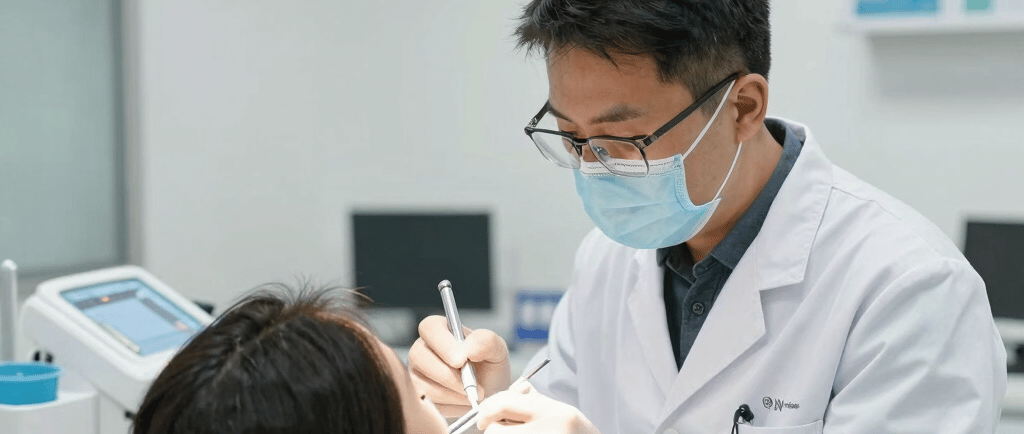

Understanding HIPAA Compliance in Dental Practices
HIPAA, the Health Insurance Portability and Accountability Act, establishes regulations to protect patients' medical information. For dental offices, achieving compliance is crucial not just for legal adherence but also for building trust with patients. According to the 2026 compliance standards, it's essential that dental practices devise a meticulous plan to ensure that they conform to HIPAA guidelines. Compliance includes securing patient records, ensuring confidentiality, and adequately training staff on privacy practices.
Essential Components of Your HIPAA Compliance Checklist
Creating a comprehensive HIPAA compliance checklist for dental offices can streamline the process and ensure all critical areas are covered. Here are some essential components to include:
Risk Assessment: Regular risk assessments should be conducted to identify vulnerabilities in your security measures.
Employee Training: Conduct mandatory training sessions for all employees regarding the importance of HIPAA and proper data handling procedures.
Data Encryption: Implement data encryption protocols to protect patient information both at rest and in transit.
Incident Response Plan: Develop a plan detailing steps to take in the event of a data breach to minimize damage and notify affected parties.
Regular Audits: Schedule periodic audits to evaluate compliance adherence and implement necessary changes.
Staying Updated with HIPAA Regulations
As healthcare regulations evolve, dental offices must stay abreast of changes in HIPAA rules. The 2026 guidelines may introduce new elements that require immediate attention, including technological advancements that alter data security protocols. One effective approach is to establish a compliance officer role within your practice dedicated to monitoring legislative updates, ensuring that your office remains compliant.
Moreover, utilizing colorful and vivid imagery in your training materials can enhance learning and retention among staff, making it easier to communicate complex compliance protocols. It's also worth mentioning that SEO strategies, including the integration of essential keywords and phrases, can help make your compliance resources more visible online, promoting a culture of transparency and commitment to patient care.
By following this HIPAA compliance checklist for dental offices, you can strengthen not only your practices' adherence to legal standards but also foster a secure environment for patient information. As we progress into 2026, ensuring compliance and prioritizing patient privacy must be at the forefront of your dental practice’s operational strategy.